The pressure facing today’s high school students is real. Between AP courses, college application timelines, standardized tests, extracurriculars, and the social demands of adolescence, it’s no surprise that student burnout has become one of the most talked-about concerns in American education. What’s often missing from the conversation, though, is a practical solution that actually works — one that addresses both academic performance and student wellbeing at the same time.
That’s where tutoring comes in.
It’s Not Just About Grades
Most people think of tutoring as a last resort — something students turn to when they’re failing a class. But the reality is very different. For today’s high achievers, tutoring has become a proactive tool for staying ahead, not just catching up. A good tutor doesn’t just re-explain a concept; they help a student build the confidence and study systems that reduce anxiety over the long term.
When a student understands why something works — not just how to answer the test question — they stop dreading the material. That shift, from confusion to clarity, is one of the most powerful stress relievers a student can experience.
Personalized Pacing Makes a Difference
One of the biggest sources of academic stress is the pace of the classroom. Teachers move through material on a schedule, and students who fall even slightly behind can feel like they’re drowning within days. Tutoring solves this by giving students a space to slow down, revisit, and truly internalize concepts without judgment.
This personalized pacing is especially valuable for students in rigorous programs. An AP Chemistry student who spends an extra hour on stoichiometry with a tutor isn’t falling behind — they’re building the foundation that makes the rest of the unit easier. That compounding effect on understanding is what prevents the frantic cramming and test anxiety that so often lead to burnout.
Structure Reduces Overwhelm
High school students are managing more tasks simultaneously than ever before. One of the most underrated benefits of regular tutoring sessions is the structure they add to a student’s week. Knowing that Wednesday at 4pm is dedicated to working through calculus problems creates a rhythm — and rhythm is the antidote to overwhelm.
Many students who work with tutors also report better organization overall. Because they’re regularly asked to reflect on what they understand and what they don’t, they become more deliberate about how they prepare for class and how they use their study time independently.
A Safe Space to Struggle
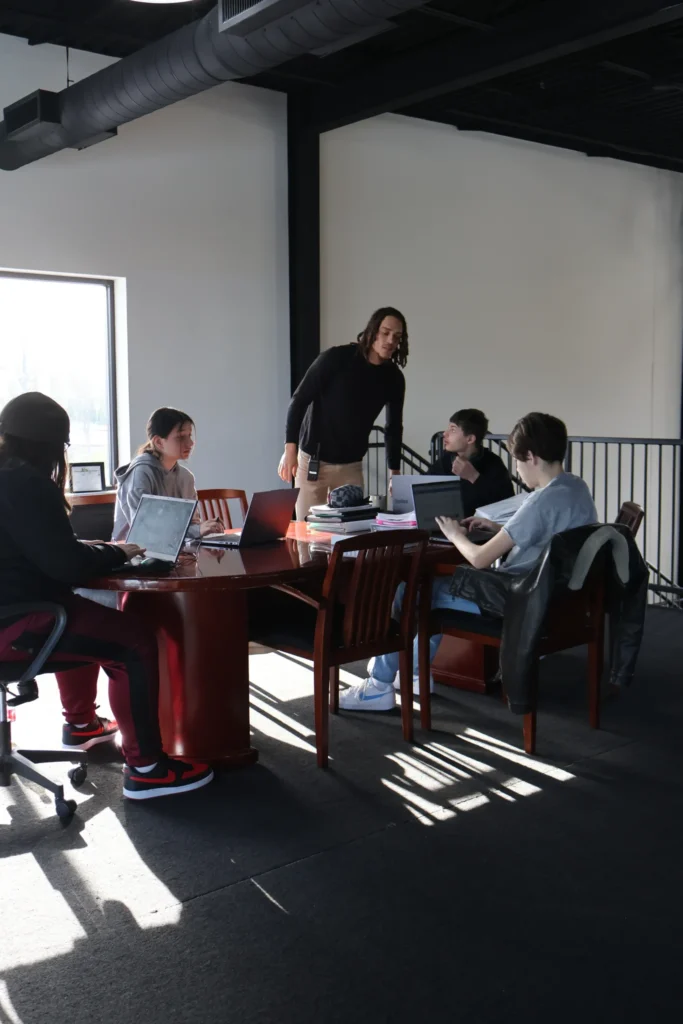
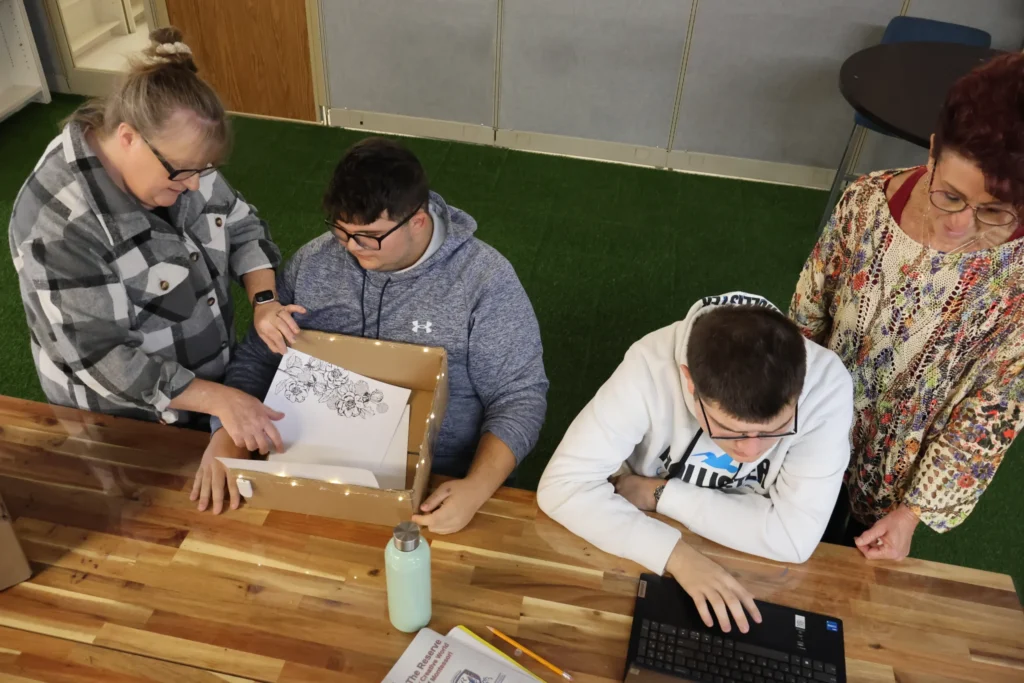
Classrooms, by necessity, are social environments. For many students, asking a question in front of 30 peers feels like a risk — so they stay quiet, stay confused, and carry that confusion home. Tutoring removes that social pressure entirely.
In a one-on-one setting, a student can say “I have no idea what’s happening in this unit” without embarrassment. That honesty is the starting point for real progress. And when students feel safe enough to admit they’re struggling, they tend to get help before small gaps in understanding become major crises.
The Bigger Picture: Learning to Learn
Perhaps the most lasting benefit of high school tutoring isn’t the grade improvement — it’s the metacognitive skills students develop along the way. Time management, self-assessment, knowing how to break a big problem into smaller steps — these are skills that don’t just help in high school. They’re the foundation for success in college and beyond.
Students who learn how to manage their academic challenges with support, rather than pushing through alone until they collapse, are building a healthier relationship with difficulty itself. That’s not just good for their GPA. It’s good for their mental health.
The Bottom Line
Academic pressure isn’t going away. If anything, the expectations placed on high school students will continue to grow. The students who thrive won’t necessarily be the ones who work the hardest in isolation — they’ll be the ones who know how to ask for help, use their resources wisely, and maintain the consistency that comes from genuine understanding.
Tutoring, done right, is one of the most effective ways to get there.